Can I open my garage door with a broken spring?
Avoid using the opener or trying to lift the door yourself. Without spring support, its weight can be difficult to control. Keep the opening clear and ask a local provider about safe access options.
Request a spring repair appointment
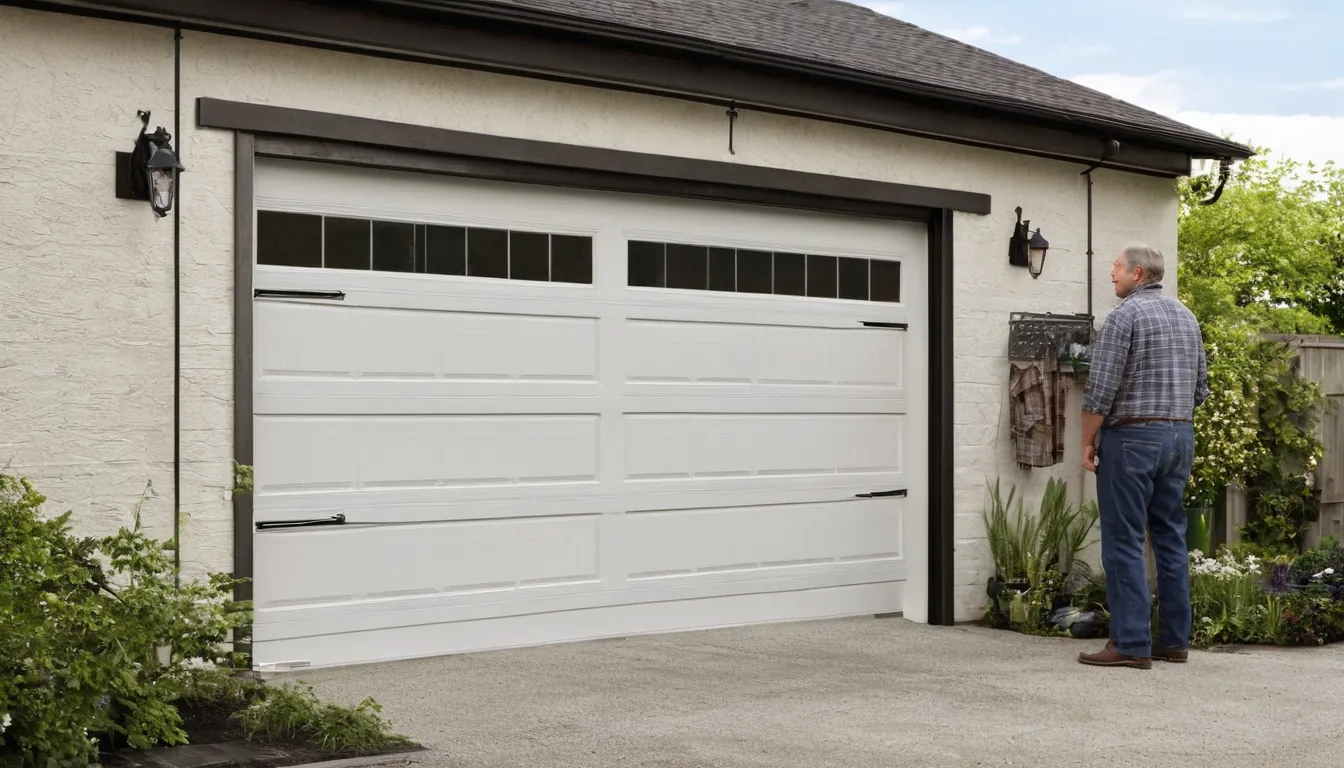
A garage door spring carries much of the door’s weight, like a counterweight that makes a heavy lid easier to lift. When it breaks, the door may stop moving, rise unevenly, or feel much heavier. You may hear a bang before you notice any change. Stop using the door and keep people away until a local provider can assess it.
Hydrixapp Garage Doors is a referral service for homeowners in Newark and the Newark area. Providers in our network inspect the spring system, explain proposed work, and set their own prices. The provider also handles the repair under a separate agreement with you. Share what changed, whether the door is open or closed, and any access concerns. Those details help the provider understand the problem before arranging an appointment.
If the door drops, hangs crooked, or stops after rising a few inches, stop trying to move it. A failed spring can leave the opener pulling a load it was never meant to lift alone, like asking a small motor to haul an overloaded cart. Keep children, pets, and vehicles away from the opening. Do not pull the release cord on an open door with a suspected spring failure.
The first decision is how to keep the area clear while you arrange help. If the door is closed, leave it closed. If it is partly open, keep everyone away and tell the provider about its position. Repeated attempts to operate it can strain other parts. Think of a chair with a damaged leg. Leaving it alone avoids adding weight to a problem that still needs assessment.
A loud bang, a visible gap in a coiled spring, or a door that suddenly struggles to rise may point to spring failure. Loose cables or uneven movement can also involve other parts. Observe from a safe distance without touching the hardware. These clues are like dashboard warning lights. They help describe the trouble, but a provider needs to inspect the system before choosing the repair.
If an appointment is still ahead, plan how people will enter and leave without using the garage door. Tell anyone who shares the garage to leave its controls alone. In a shared driveway, explain whether a vehicle is trapped inside. Treat the unused opening like a blocked stairway and choose another route. When requesting emergency garage service, describe any open door or access concern so the provider understands the situation.
Torsion springs usually sit on a shaft above the door. Extension springs usually stretch beside the horizontal tracks. Both store energy to help balance the door, though they work in different ways. A wound toy offers a simple comparison for stored energy, but garage springs hold much greater force. You do not need to identify the system yourself. The provider can confirm its type during the assessment.
Garage door spring repair involves parts under tension. Loosening brackets, winding a spring, or removing a cable can release that tension without warning. A stretched elastic band shows the basic idea, though a door spring can cause much more serious harm. Do not use online instructions to test or adjust the spring. A snapped spring generally needs replacement, with the correct part selected for the door’s weight and setup.
Cold weather can affect how a door moves. Ice near the bottom seal may hold it against the floor, while snowmelt can leave moisture around the opening. Pushing the opener again may load the system further, like tugging a drawer when something blocks it. Describe the weather and what you noticed before the door stopped. Coastal storms may also bring moisture that a provider should consider when checking corrosion.
The provider can check the spring, cables, drums, mounting points, and door balance. They may also inspect track alignment because a binding door can have more than one cause. This is like checking the whole zipper when one section catches. Ask which findings explain your symptoms and which work is separate. The provider should describe the proposed spring work and give you a written quote before you approve it.
A spring’s cycle rating describes expected opening and closing use, rather than a set number of years. One cycle is generally one full opening and closing. Think of shoe wear: frequent use changes how soon replacement may be needed. Ask about standard and higher cycle options suited to your door. If it has two springs, ask whether replacing both makes sense and why the provider recommends that scope.
Timing can depend on the spring size, door weight, parts supply, and the provider’s schedule. An older door may need measurements before a suitable spring can be sourced. It is like finding a replacement part for an older appliance. Request a callback to check provider availability and explain whether the garage is your usual entrance. Hydrixapp Garage Doors makes referrals; the independent provider confirms the appointment, parts, and expected work with you.
After the work, ask the provider to explain the balance check and any remaining concerns. A balanced door is like a scale with weight shared properly on both sides. The provider should assess how the door travels and whether related safety features work as intended. If a new garage door opener is proposed, ask what separate finding supports it. Spring failure alone does not establish that the opener needs replacement.
Save the written scope, spring details, receipt, and any maintenance guidance from the provider. A short note about changes in sound or movement can help at a later visit, much like a service record for a car. Before winter or after stormy weather, observe the door during ordinary use without touching spring hardware. Report fresh sticking, uneven travel, or unusual noise. Ask the provider which checks are appropriate for your door.
A local provider checks whether spring damage explains the door’s changed weight, sound, or uneven movement.
The provider identifies spring options that suit the door’s weight, dimensions, and existing hardware.
The assessment may include cables, mounting points, and signs of uneven wear.
Ask the provider to explain balance checks, door movement, and any remaining concerns.
These typical U.S. ranges vary by door, spring type, access, and job scope. Think of them as a planning guide. Rows may overlap and should not be added together. Get a written quote from the provider before approving work.
| Item | Typical U.S. range | Notes |
|---|---|---|
| Spring assessment visit | $50 to $150 | Ask whether the visit charge applies toward approved work. |
| Single torsion spring replacement | $150 to $350 | Installed cost varies with spring size and access. |
| Two torsion springs replaced | $250 to $600 | Ask why the provider recommends replacing the pair. |
| Extension spring replacement | $150 to $350 | Confirm whether the quote includes one spring or a pair. |
| Higher cycle spring replacement | $250 to $600 | Total installed range depends on specifications and spring count. |
| Heavy or unusual door spring work | $350 to $800 | Special parts or added labor may change the written quote. |
Share the door’s position, unusual sounds, and when movement changed so a local provider has context for your request.
The provider confirms availability and asks about access, door type, and visible symptoms.
Ask the provider to explain the spring choice, total price, and any related work.
Agree on the written scope and ask how completed work will be checked.
Independent providers assess and repair doors under their own agreements with homeowners.
Plain explanations help you describe what happened and ask useful questions before agreeing to spring work.
Weather details give the provider context when reviewing sticking, moisture, and changes in movement.
Compare the proposed scope with your needs before approving the provider’s quote.
Tell us what your garage door is doing and where you need service. Request a connection with a local provider to discuss an appointment.
No obligationAvoid using the opener or trying to lift the door yourself. Without spring support, its weight can be difficult to control. Keep the opening clear and ask a local provider about safe access options.
Sometimes a provider recommends replacing both because they have similar wear. It depends on their condition and the door’s setup. Ask for the reason, like you would when replacing a pair of tires.
Availability depends on the provider’s schedule and the parts your door needs. Request a callback to check provider availability. Mention whether the door is open, crooked, or blocking your usual entrance when describing the problem.
Tell us what your garage door is doing and where you need service. Request a connection with a local provider to discuss an appointment.
No obligation