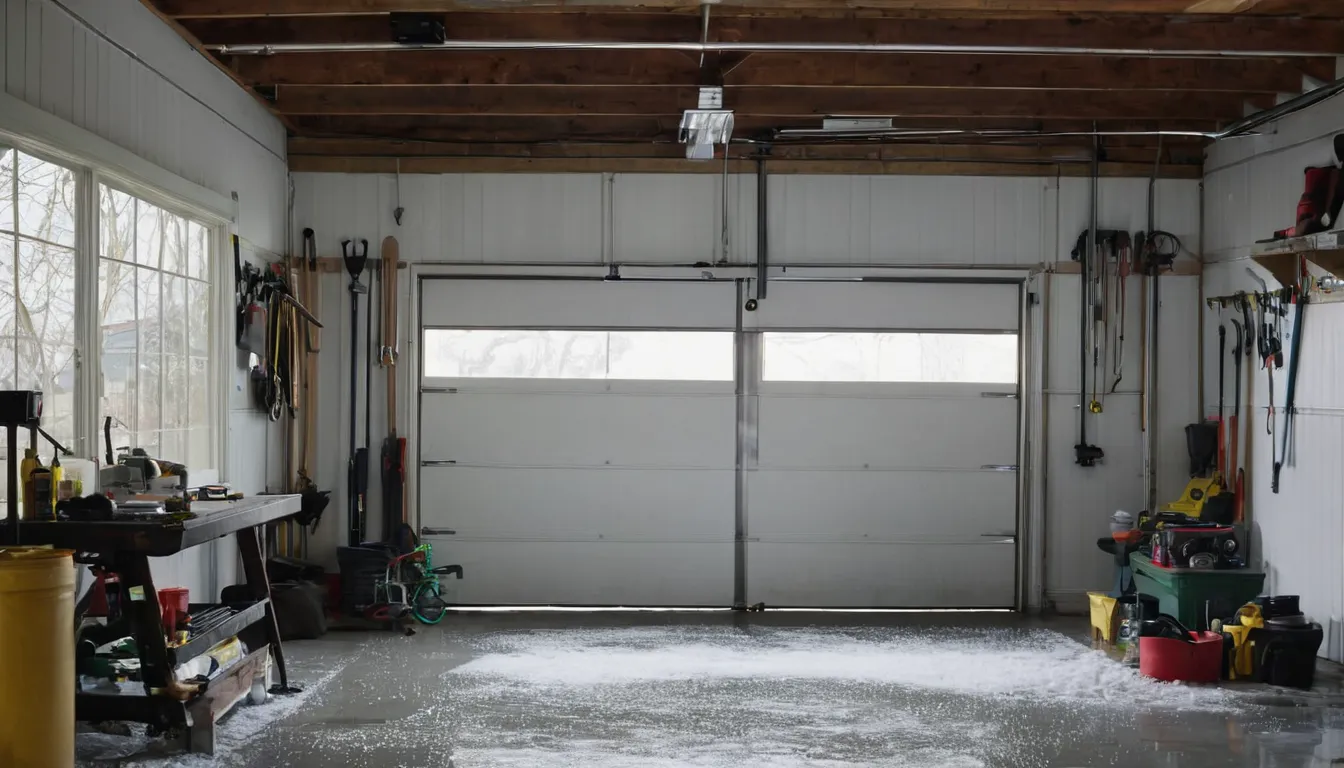
A garage door that starts scraping, stops halfway, or closes unevenly needs a careful look before more use. Its moving parts work together like the wheels on a drawer. When one part catches, other parts may take extra strain. Note when the change began and whether it followed snow, rain, or a bump from a vehicle. That information helps a local provider understand what needs attention.
Hydrixapp Garage Doors is a referral service. Providers in our network assess doors, explain repair options, set prices, and perform the work under their own agreements. You can describe the problem and request an appointment without having to name the faulty part. The provider can explain whether the door should remain unused while you wait and what the proposed repair involves.
If the door looks unstable, stop using it
A crooked door, loose cable, or panel hanging outside its track needs space around it. Keep people and pets away. Do not walk beneath a partly open door or try to push it straight. Like a shelf with a loose bracket, it may shift when touched. If it is open, avoid pulling the emergency release because the door could drop. Request a callback to check provider availability for an unsafe door.
Get Started
Use the first hour to note changes
Write down what happened before the door stopped working. A scrape, a loud bang, or a slow rise gives the provider useful clues. Think of these details as a short note about a car noise before a garage visit. Take photos from a safe distance if possible. Do not run the door again to record the sound. Mention whether a vehicle is trapped and whether the garage has another entrance.
Repeated attempts can change the repair
Pressing the opener button again may seem harmless when the door almost moves. If a roller is caught or a cable is damaged, each attempt can put strain on other parts. It is similar to pulling harder on a stuck zipper. The cause needs attention before more force. Leave the door unused when movement becomes uneven, noisy, or unpredictable. Ask the provider what precautions fit the condition you described.
Plan around a door left open
Over the next few hours, an open garage may let in rain, drifting snow, or animals. Move belongings away from the opening only if you can stay clear of the door. Use another entrance where available. Treat the opening like a window that cannot close during bad weather. Tell the provider if the garage connects to the home or has a shared entrance. Ask about emergency garage service and the earliest appointment they can offer.
Get Started
Scraping often needs a closer look
Rollers travel inside metal tracks that guide the door. A worn roller, bent section, or loose bracket may cause rubbing or uneven travel. The track works much like a drawer slide, where a small shift can make movement rough. A provider may check track alignment and the parts attached nearby. Avoid bending tracks or loosening brackets yourself. Some fittings hold parts under tension, and changing their position can make the door unsafe.
Check what the opener is doing
Tell the provider whether the motor runs, clicks, or stays silent. Also note whether the wall button and remote behave differently, using what you already observed. These details are like clues from a lamp that works in one socket but fails in another. The provider can check the controls, sensors, and drive parts. Ask whether a repair fits the fault before considering a new garage door opener. Do not bypass sensors or increase force settings.
Balance affects the load on parts
The springs help support the door's weight during movement. When that support changes, the opener may struggle and the door may move unevenly. It resembles carrying a bag with one handle broken, where the remaining support takes more load. Garage door spring repair requires a separate assessment of the spring system. Do not touch springs, cables, or their brackets. A provider can check balance safely and explain how it relates to the repair you need.
Cold weather can hide the cause
During cold snowy winters, moisture near the bottom seal can turn to ice. Trying to lift a door held by ice may strain the opener or damage the seal. Picture a lid stuck to a cold container. Extra force can damage the edge before it comes loose. Tell the provider whether the trouble began after a sharp temperature drop. Avoid forcing the door or using an open flame to melt ice around it.
Get Started
Watch the opening after wet weather
Spring snowmelt and coastal storms can leave water or grit near the threshold. Repeated thawing and refreezing may change what you see from morning to evening. Like a doorstep that becomes slippery overnight, the opening deserves another look when conditions change. Check from a safe position without operating a faulty door. In older homes, describe visible gaps or damp areas around the garage opening. Those details help the provider separate door faults from surrounding conditions.
Compare the repair with its likely use
A single worn part may have a clear repair option. Several damaged sections or repeated faults may call for a wider discussion. Think about how you would assess a bicycle with one worn tire compared with several damaged parts. Ask what the proposed repair addresses, what remains worn, and whether suitable parts are available. The provider should explain the scope in writing so you can decide before approving work.
Set a simple routine after repair
Once the provider says the door is ready to use, ask what care its parts need. A brief visual check can become a habit, much like checking tires before a longer drive. Watch for new rubbing, loose seals, or changes in sound. Follow the door manufacturer's care instructions and ask which parts need lubrication. Keep the opening clear of stored items, leaves, and snow. Leave tension adjustments and cable work to a provider.
Know who handles your appointment
Hydrixapp Garage Doors connects you with independent providers in our network. The provider assesses the door and handles the repair agreement. Treat the written quote like a shopping list you review before purchase. Check that it names the proposed work, parts, labor, and any visit charge. Ask who handles questions after the repair and what any stated warranty includes. Request an estimate when you are ready to discuss the door's condition and appointment options.
Get Started
What's Included
Door Movement Assessment
A local provider checks reported movement problems and explains which parts may need attention.
Track and Roller Repair Options
The provider reviews rubbing, worn rollers, and track position before proposing work on affected parts.
Opener Checks
Reported control or motor faults help the provider decide which opener components need closer inspection.
Repair Explanation
Ask the provider to describe proposed work, parts, and charges before you approve.
What Might Your Door Repair Cost?
These typical U.S. ranges are planning guides, like a rough household budget. Prices vary by door, parts, access, and job scope. Ask the provider for a written quote that explains labor, materials, visit charges, and any work outside the listed repair.
| Repair item | Typical U.S. range | What affects the quote |
|---|
| Track adjustment or repair | $125 to $400 | Track damage, access, and parts required |
| Roller replacement | $100 to $250 | Roller type and number replaced |
| Cable repair or replacement | $150 to $350 | Cable condition and related damage |
| Safety sensor repair or replacement | $100 to $250 | Wiring faults, alignment, and replacement parts |
| Garage door opener repair | $100 to $300 | Faulty component and available parts |
| Bottom seal replacement | $100 to $250 | Door width and seal design |
Get Started
How It Works
Describe the Change
Share what you noticed and when it started, like a short note you would bring to a repair appointment.
Discuss a Suitable Appointment
Explain access limits like calendar notes so the provider can discuss an appointment that fits.
Review the Proposed Work
Read the quote like an itemized receipt and ask about anything you cannot understand.
Keep Your Repair Details
Save the provider's paperwork like an appliance manual for care instructions and questions about completed work.
Why Call Hydrixapp Garage Doors
Understand Your Options
The site explains common symptoms in plain words, like a guide you can consult before discussing work with a provider.
Clear Roles
Like an introduction, the referral connects you with a provider who assesses, prices, and performs the work.
Room for Questions
Use the written proposal like a checklist and ask about each charge before approving work.
Weather Context
Weather details add context, like a date on a photo, when you explain when the door problem began.
Other Services